China’s finance groups label RWA tokenization as risky, illegal
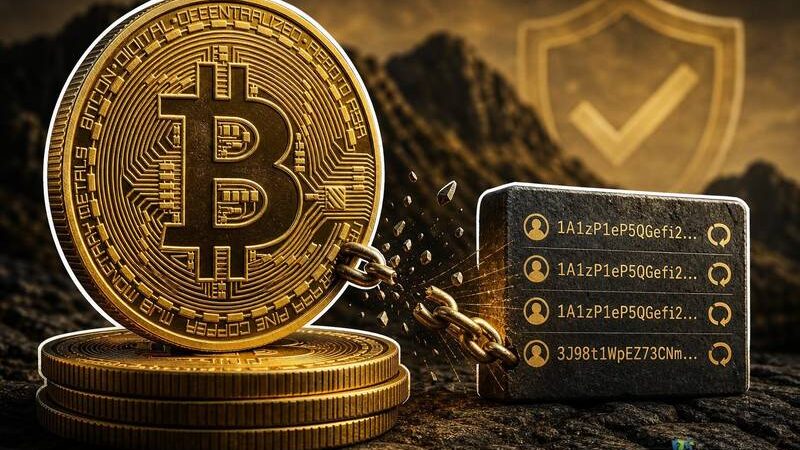
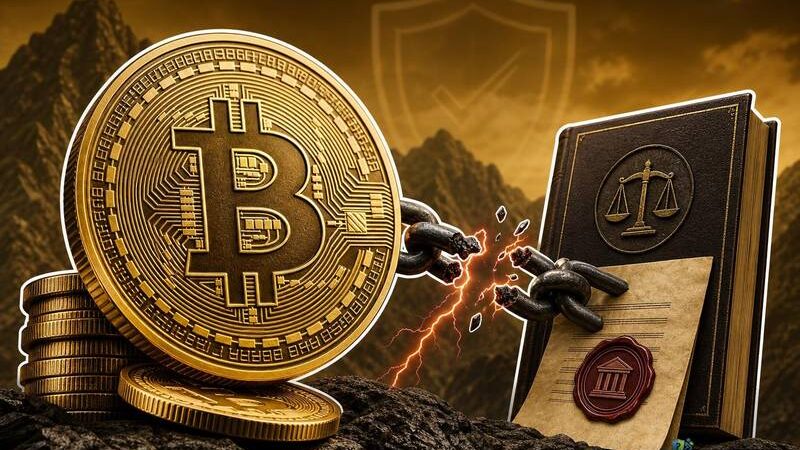
Several of China’s largest financial industry associations have reportedly reclassified real-world asset (RWA) tokenization as a risky activity that could face enforcement, placing it alongside stablecoins, “air coins,” and crypto mining as illegal under existing rules, according to a notice shared by Wu Blockchain on Monday.
The Asset Management Association of China, National Internet Finance Association of China, China Banking Association, Securities Association of China, China Futures Association, China Association for Public Companies, and China Payment Clearing Association indicated that RWAs will no longer be treated as an emerging technology pending regulatory guidance but as a high-risk business model. The associations categorized RWAs, stablecoins, “air coins” (tokens without intrinsic value), and mining as cryptocurrency-related activities deemed unlawful in China.
Per a translation cited by Wu Blockchain, the groups said RWA tokenization involves financing and trading through the issuance of tokens or instruments with token-like characteristics, and entails risks such as asset fraud, operational failures, and speculative behavior. They added that, to date, no RWA tokenization activity has received approval from China’s financial regulators.
The guidance from these industry bodies effectively characterizes RWA participation as financing and trading activity prohibited by Chinese law, potentially subjecting it to a regulatory crackdown. In October, the People’s Bank of China and another regulator reportedly discouraged major domestic technology firms from advancing stablecoin initiatives, signaling official concern over such products.
Wu Blockchain wrote that regulators’ stance is explicit: the issue is not technological but financial risk, and the document does not reference “technical pilots,” “tiered regulation,” or “prudential development,” indicating an intent to exclude RWAs from the legal framework.
Coinbase exec warns US could lose to China
In the United States, following passage of the GENIUS Act in July, regulators have begun laying groundwork for a federal framework governing payment stablecoins. Implementation has reportedly included pressure from banks urging lawmakers to address the treatment of stablecoin rewards.
Coinbase chief policy officer Faryar Shirzad said in December that debate over implementing the law could undermine the U.S. position as China promotes use of the digital yuan for international payments. Chinese commercial banks were allowed to pay interest on digital yuan wallet balances starting on Thursday.
Stay informed, read the latest news right now!
Disclaimer
The content on TrustsCrypto.com is for informational purposes only and does not constitute financial or investment advice. Cryptocurrency markets are highly volatile, always do your own research before making decisions.
Some content may be assisted by AI and reviewed by our editorial team, but accuracy is not guaranteed. TrustsCrypto.com is not responsible for any losses resulting from the use of information provided.