Circle CEO: AI Agents to Use Stablecoins Within 3–5 Years
Circle CEO Jeremy Allaire said at the World Economic Forum in Davos, Switzerland, that within three to five years, billions of autonomous artificial intelligence agents are likely to use cryptocurrencies and stablecoins to carry out routine payments on behalf of users.
Allaire said on Thursday that these agents will require an economic, financial, and payment infrastructure to function continuously, adding that stablecoins are currently the only practical option to support such activity.
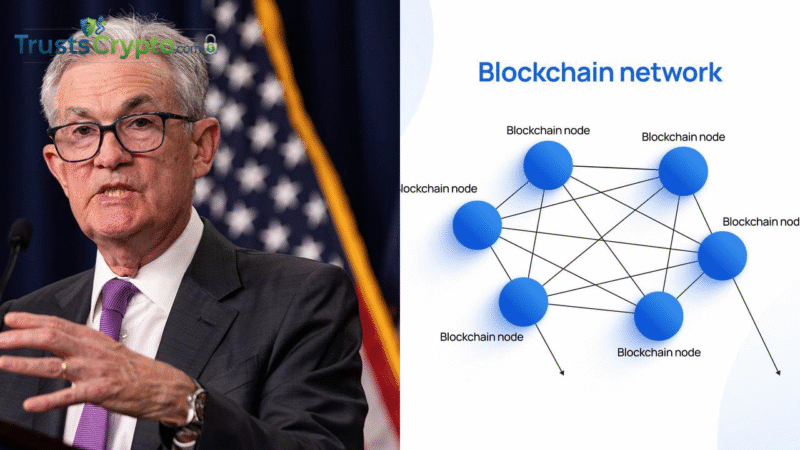
Binance co-founder Changpeng Zhao expressed a similar view at the same event, stating that crypto will serve as the native currency for AI agents, which could handle tasks such as purchasing tickets and paying restaurant bills. He added that these agents will not use bank or credit cards and described blockchain as the most natural technology interface for them.
Crypto tools for AI-driven commerce
In May, Coinbase’s development team introduced the x402 online payments protocol to enable AI agents to transact with stablecoins over the internet. The approach leverages the HTTP 402 “Payment Required” web standard and Ethereum Improvement Proposal 3009, a pre-signed authorization mechanism, to allow agents to transfer funds automatically without manual approvals or gas fees.
On Jan. 11, Google announced the Universal Commerce Protocol to support agentic commerce, potentially competing with crypto-focused solutions. The protocol uses Agent Payment Protocol 2 to initiate transfers on behalf of users, with Google Pay set as the default payment handler for U.S. dollar transactions.
Stay informed, read the latest news right now!
Disclaimer
The content on TrustsCrypto.com is for informational purposes only and does not constitute financial or investment advice. Cryptocurrency markets are highly volatile, always do your own research before making decisions.
Some content may be assisted by AI and reviewed by our editorial team, but accuracy is not guaranteed. TrustsCrypto.com is not responsible for any losses resulting from the use of information provided.