Iran’s rial collapse sparks protests; Bitwise CEO touts Bitcoin
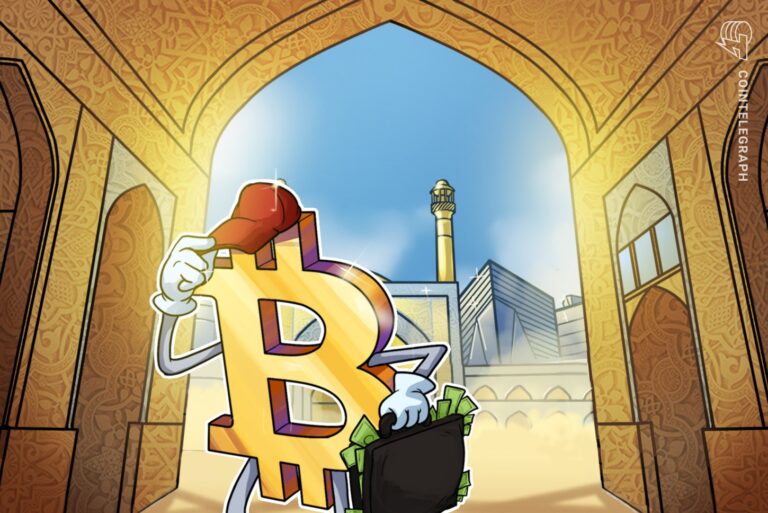
Protests broke out across Tehran on Monday after Iran’s rial fell to a record low against the United States dollar, as demonstrators blamed the central bank’s policies for eroding their savings.
Bitwise CEO Hunter Horsley said Bitcoin (BTC) could serve as a tool for people facing currency depreciation, noting on X that persistent economic mismanagement has left individuals seeking alternatives to protect their purchasing power.
The rial has shed more than 40% of its purchasing power since the two-week war with Israel in June and is trading at about 1.4 million to the dollar, according to the Financial Times. Alex Gladstein, chief strategy officer at the Human Rights Foundation, noted on Dec. 30, 2025 that the rate had reached 1.42 million rial per dollar, adding that the official rate in the early 1980s was 70 per dollar.
Amid the unrest, Central Bank of Iran Governor Mohammad Reza Farzin resigned, adding to uncertainty over the country’s economic direction.
While cryptocurrency trading is allowed in Iran, regulations around self-custody are unclear and Bitcoin mining faces tight restrictions. VanEck head of research Matthew Sigel said authorities recently intensified enforcement against unregistered miners and offered cash incentives for citizens to report them, even as demand for value-preserving assets increased. He criticized the sequence of policies and questioned the notion that Bitcoin is not a luxury good.
Strict mining rules have limited the ability of Iranians to leverage relatively low electricity costs, which would have enabled Bitcoin mining at roughly $1,300 per BTC as of October, compared with Bitcoin’s current price of $87,600.
Eight Iranian banks at risk of dissolution
Iran remains subject to broad international sanctions tied to its nuclear program and support for regional militant groups, constraining access to global financial networks and the US dollar while straining the domestic banking sector.
In October, state-owned Bank Melli became insolvent, placing the assets of more than 42 million Iranians at risk.
In February, the central bank warned that eight additional local banks could be dissolved or merged if they fail to implement required reforms.
Separately, Iranian crypto exchange Nobitex suffered an $81 million breach in June, and on-chain activity from Iran declined 11% between June and July during a period of escalating conflict with Israel.
Stay informed, read the latest news right now!
Disclaimer
The content on TrustsCrypto.com is for informational purposes only and does not constitute financial or investment advice. Cryptocurrency markets are highly volatile, always do your own research before making decisions.
Some content may be assisted by AI and reviewed by our editorial team, but accuracy is not guaranteed. TrustsCrypto.com is not responsible for any losses resulting from the use of information provided.