XRP Ledger Version 3.2.0: What Changed
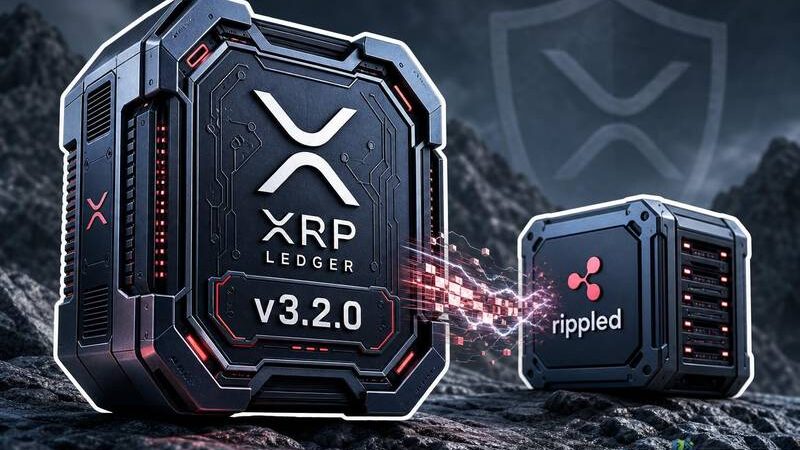
The XRP Ledger Foundation has released version 3.2.0 of rippled, the core server software that powers the XRP Ledger network. The update, published through official XRPLF channels, represents the latest maintenance and feature release for one of the longest-running blockchain protocols in operation.
What the 3.2.0 Release Covers
Version 3.2.0 was announced via the official XRPL blog, which serves as the primary communication channel for protocol-level updates. The release targets validators, node operators, and developers who run rippled instances that maintain the network’s consensus and transaction processing.
The full technical changelog, including specific bug fixes, new features, and any amendments introduced, is documented on the XRPLF rippled GitHub releases page. Operators should review the release notes directly, as the scope of changes determines whether the upgrade is optional or required for continued network participation.
Protocol software releases on the XRP Ledger follow a structured process. Amendments that change consensus rules require supermajority validator approval before activation, while non-amendment changes take effect once operators upgrade their nodes. This distinction matters because it determines how quickly new functionality reaches the live network.
Why Protocol Updates Matter Beyond Price
Software releases like version 3.2.0 are infrastructure events, not token price catalysts. They reflect ongoing maintenance and development of the network’s reliability, security, and feature set. For the XRP Ledger, which processes transactions for financial institutions and decentralized applications alike, consistent software updates signal active protocol stewardship.
Node operators and validators should assess upgrade timelines based on whether the release includes amendments that could affect consensus compatibility. Running outdated software after an amendment activates can cause a node to fall out of sync with the network, similar to how other blockchain networks like those integrating new payment protocols require participants to stay current with infrastructure changes.
The release also matters in the context of broader ecosystem development. Projects building on the XRP Ledger, including those working on cross-chain swap functionality, depend on stable and well-maintained base layer software to ensure their applications function as expected.
No Verified Market Reaction
At the time of this article’s preparation, no verified market data ties the 3.2.0 release to a measurable change in XRP’s price, trading volume, or market capitalization. The available market data fields for this story returned null values across all metrics.
This is consistent with historical patterns. Protocol software updates rarely produce immediate token price movements unless they introduce features with direct economic implications, such as new token standards or changes to fee structures. Readers should not assume that a version release translates to trading signals.
What to Watch Next
Operators running XRP Ledger nodes should monitor the official XRPL blog and the XRPLF GitHub repository for any follow-up patches or hotfixes that may accompany the 3.2.0 rollout. Post-release patches are common across blockchain projects when edge cases emerge during broader network adoption of new software.
The key milestones to track include: validator adoption rate for the new version, whether any included amendments reach the activation threshold, and whether additional point releases (3.2.1, etc.) appear in the weeks following the initial publication.
FAQ
What is XRP Ledger version 3.2.0?
It is the latest release of rippled, the server software that XRP Ledger validators and node operators run to participate in the network’s consensus process and transaction validation. The version number indicates a minor release within the 3.x series.
Does this update affect XRP holders directly?
For most XRP holders who use wallets or exchanges, the update does not require any action. The upgrade responsibility falls on node operators and validators. However, if the release includes amendments that change transaction behavior or fees, holders may eventually notice those effects once amendments activate on the network.
Where can readers verify the release notes?
The official release notes are available on the XRPL blog and the XRPLF rippled GitHub repository. Both sources provide technical details, upgrade instructions, and amendment information directly from the development team.
Disclaimer: This article is for informational purposes only and does not constitute financial or investment advice. Cryptocurrency and digital asset markets carry significant risk. Always do your own research before making any investment decisions.